
Review | Monochrome Mobius: Rights and Wrongs Forgotten
"One can simply not skip on PS2 JRPG's - and this one feels so much like one! A strong story and somewhat unbalanced difficulty is something I would summarize for sure."
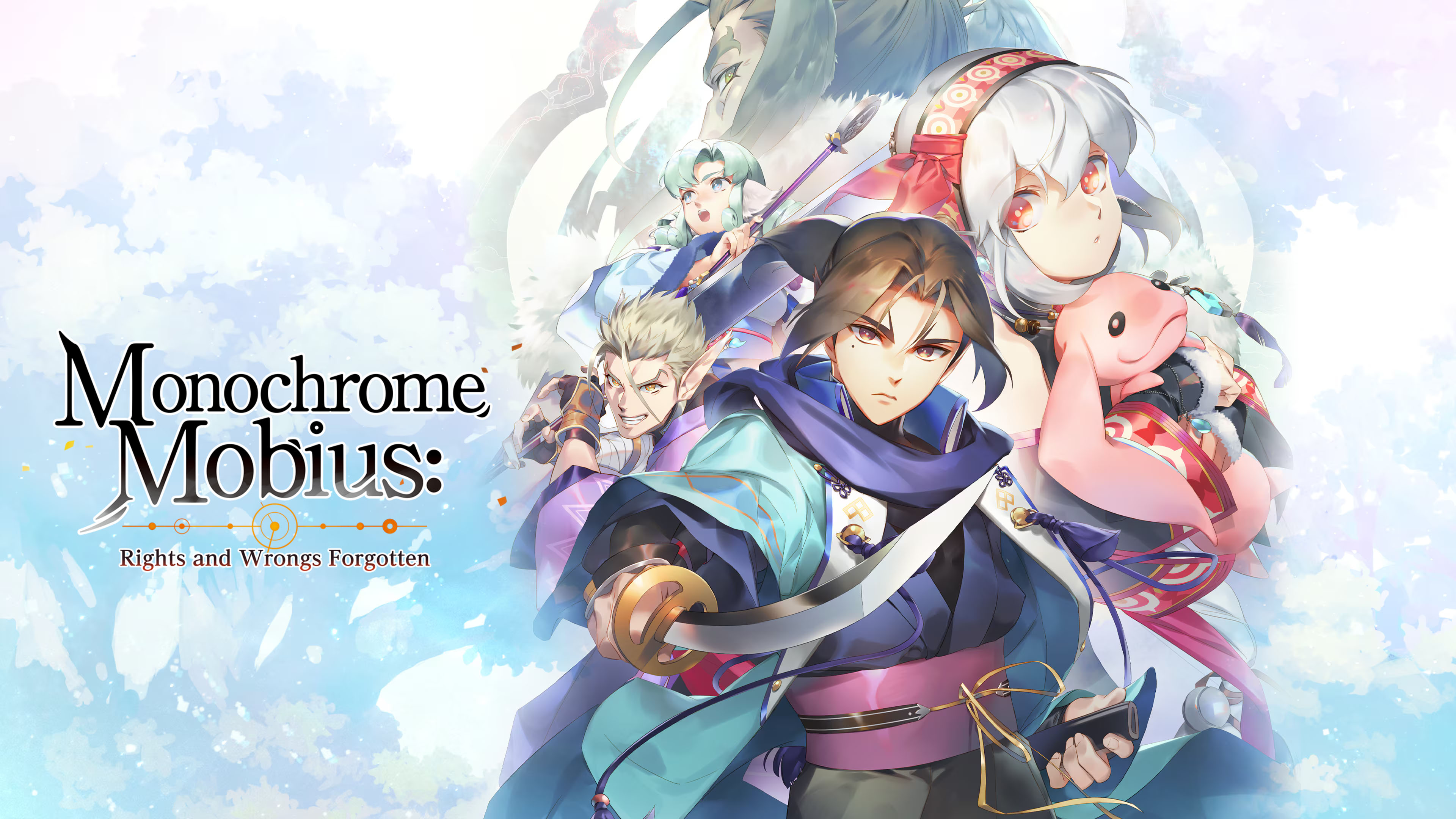
A mobius review
Monochrome Mobius: Rights and Wrongs Forgotten is a Japanese role-playing video game developed by Aquaplus and Design Act. It's a part of the Utawarerumono series, plus the game commemorates the series' 20th anniversary. I'm a bit late, as it was released on November 17, 2022, for the PlayStation 4 and PlayStation 5 in Japan, and Windows worldwide, while a worldwide release for the PlayStation 4 and PlayStation 5 versions was in September 2023.
How did I miss this one, beats me. It's a typical Trails-like PS2 turn-based JRPG that I love and adore, but for some reason I've completely forgotten about it. Monochrome Mobius: Rights and Wrongs Forgotten is set prior to the events in Utawarerumono: Mask of Deception, which you can find on Vita, PS3, PS4, and Windows. I don't think you need to play it, but if you're interested in their previous work, you can find visual novels and early adult titles in this universe - I'm here for turn-based JRPG, though.
So, that being said, buckle up for 30 hardcoded FPS on consoles (PS5 and PS5 Pro), or the Steam version where that is not capped. I don't mind, it takes like 5 mins to get used to it, but it would be cool to have 60 FPS mode and maybe some Pro enhancements, although, if you ask me, this looks better than the newest Trails remake games, and funny enough, it feels like a Trails game. Let's go!
Story and the characters
I want to give you a small overview of the plot, but first; the story and the characters in this game... Man, oh man, I love them! I think the writing is awesome, it really shines bright on characterisation and making everyone interesting, while keeping the core intact. I felt like a child watching DBZ, there are a couple of pretty neat events. The rest feels like Trails games, but without bloat.
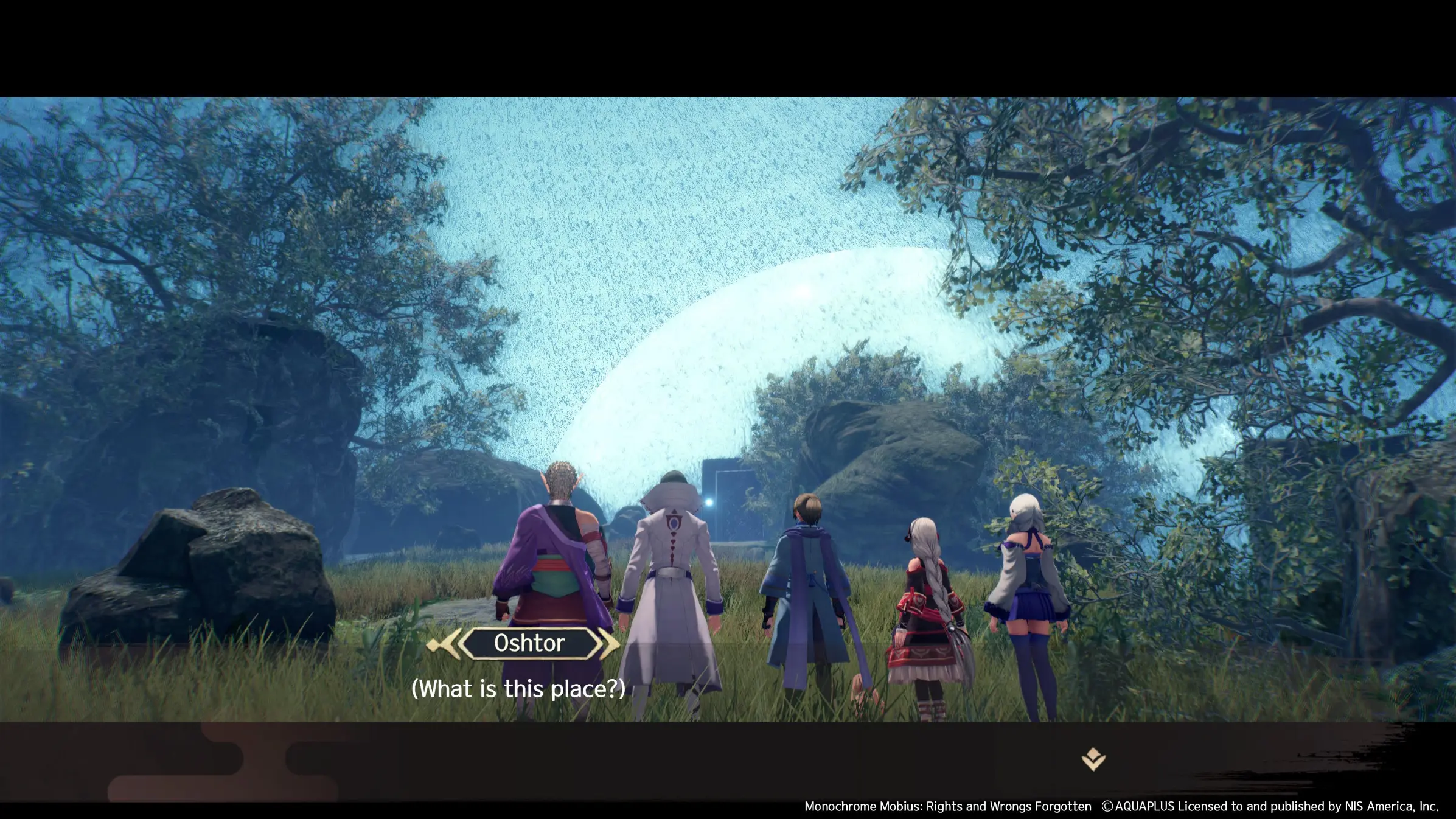
So, we start in the province of Ennakamuy, in a small village. The story follows Oshtor, a young swordsman who resides with his mother and younger sister. Oshtor encounters a mysterious girl by the name of Shunya who informs him that his father, currently believed to be deceased, is still alive. This is a journey to discover yourself, and a forbidden land, while trying to avoid war between 2 nations in between. How all of that wraps up is on you - to me, it's a well-written story with excellent pacing and really good characters/villains.
You get to have 4 party members and to me that is really intimate as you always use them in battles, and story progress is tied to all of them. That way you learn about them all the time. It's everything a JRPG needs to have, so for me the events in the game were a big selling point. Probably the best part of the game is around the middle, when events with your master unfold. I don't want to spoil it, but that part was so damn good, I was hoping for a peak like that afterwards, but there wasn't one; still, the story is great, loved it, and the fact that even the side-content feels like a lore expansion is a big plus, although they can feel a bit repetative, and pacing can drag at times, but I was heavily invested by that time.
Game design, exploration
This is a typical PS2-like JRPG. You know - you start in a village, there is a small dungeon, and soon enough you are battling enemies bigger than a house. The game is a mix of exploration (dungeons and the world - the world is like an open-world map, really big), story and character progression. I really mean it, in core it's simple, but pure JRPG where even side-content serves as deeper lore and story explanation.
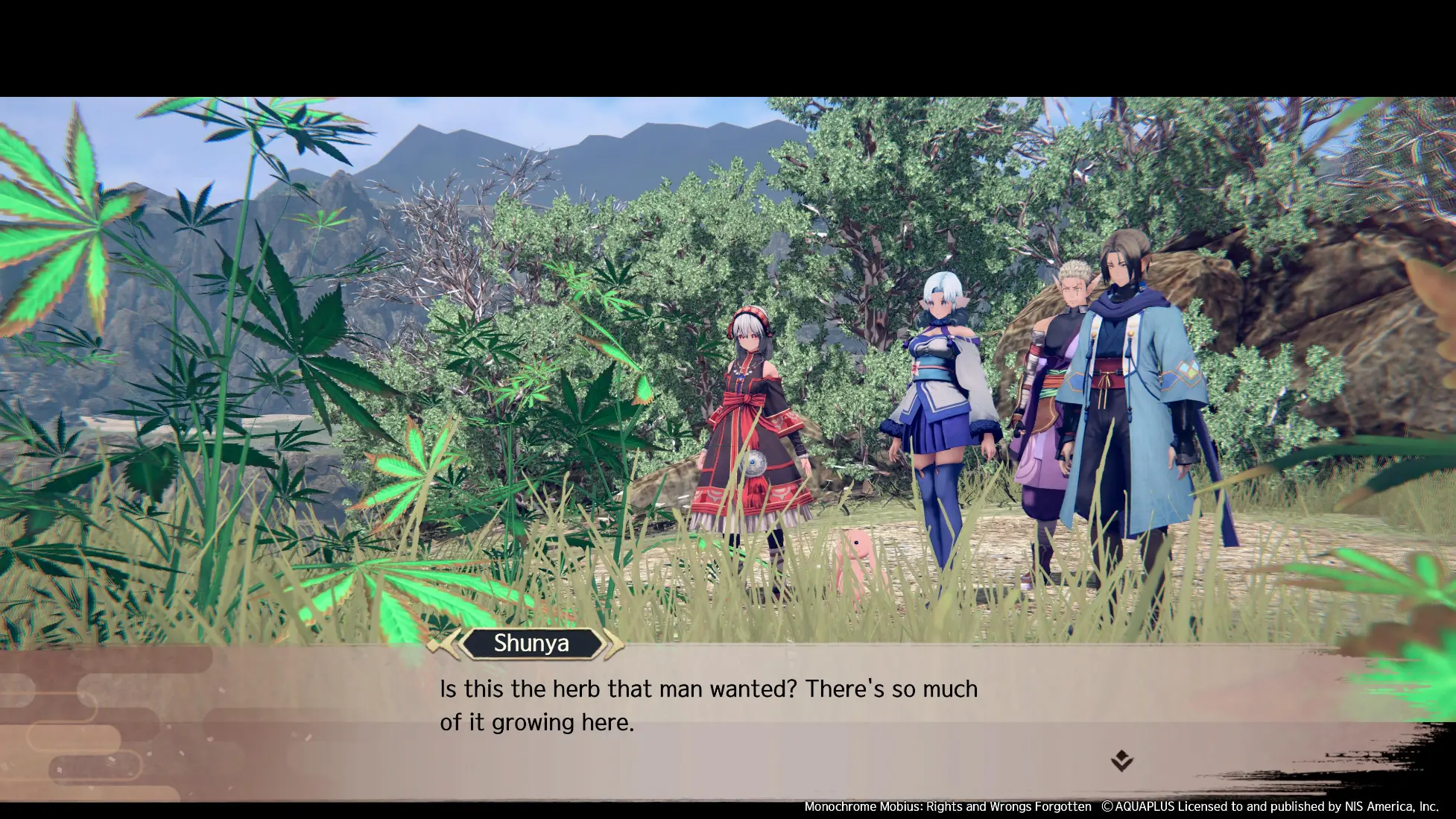
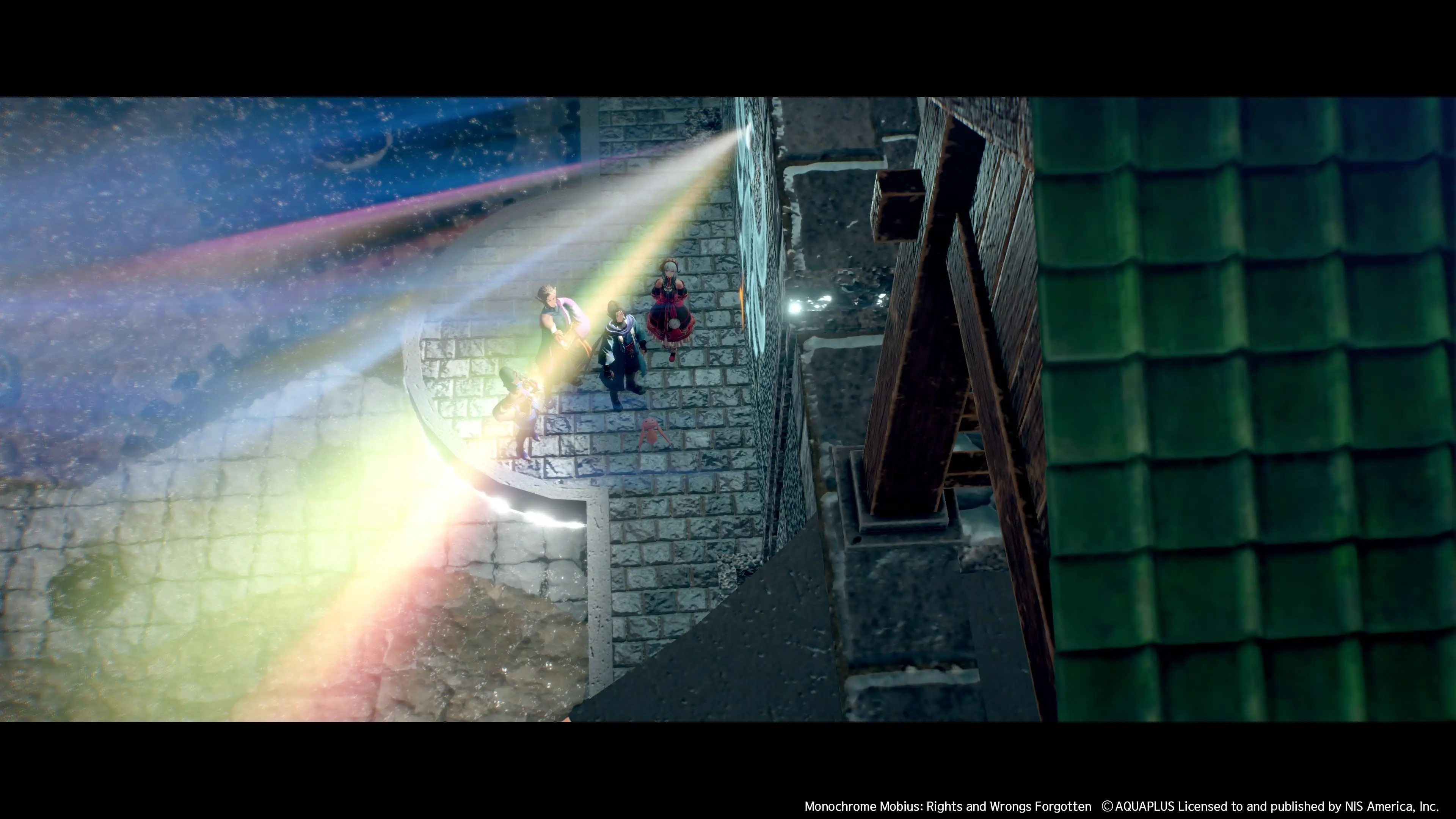
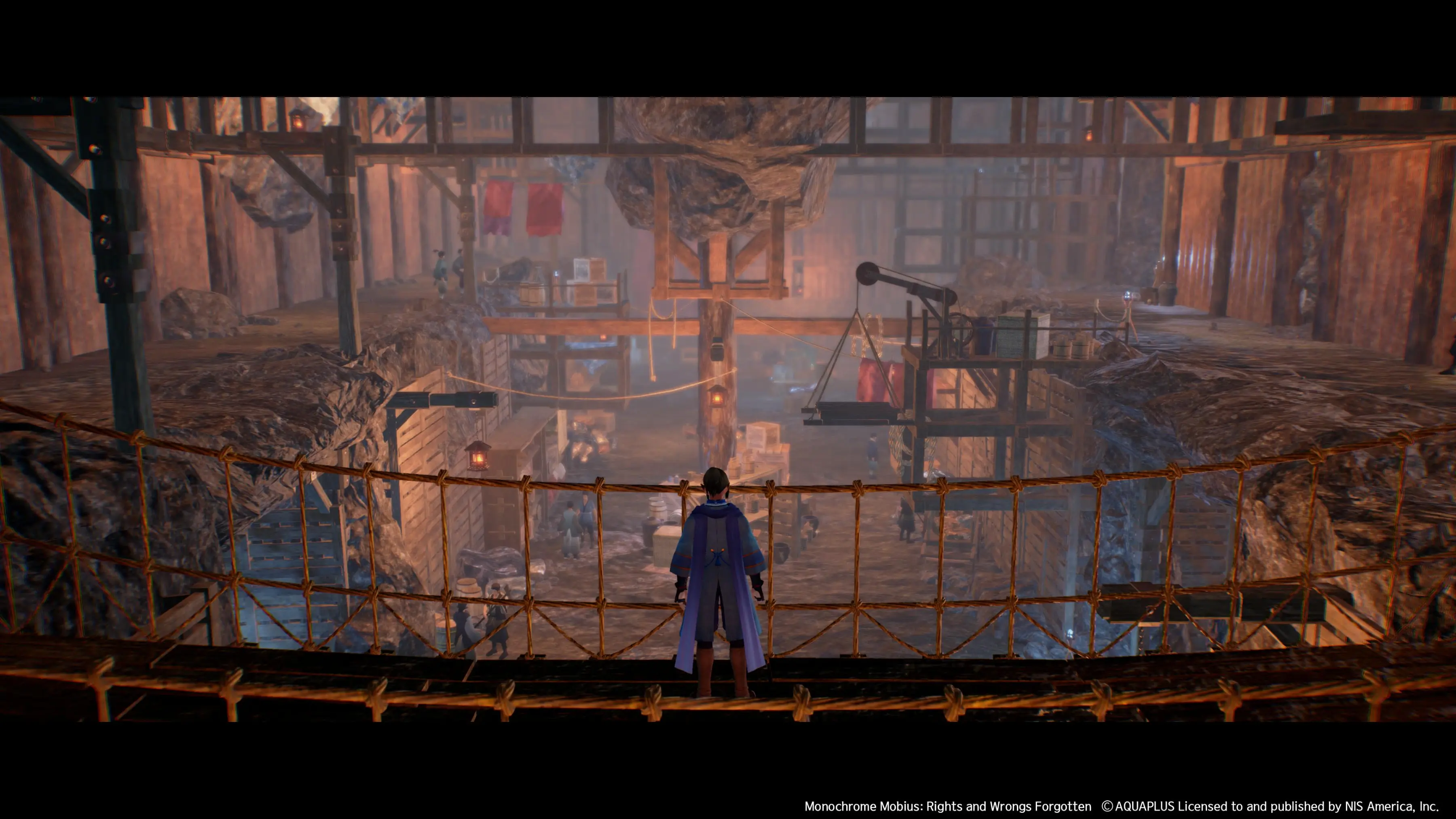
At first, exploring outside of the town was weird, and I was constantly overpowered. The roads are long, you really need to travel to find the next town, or a dungeon somewhere along the way. To me this part was ok, as exploring means finding equipment and items, while fighting enemies if you want to (they show on the map). When you reach the next destination, or some middle point, you will unlock it as a fast-travel point. All good stuff, although I miss fast-traveling whenever I want, not always trying to find that save point that offers it. It's a funny decision, considering you can actually save at any point, even when having save points where you save, travel or return to the entrance of some area. The graphics are top-tier anime art with awesome soundtrack, so even just running around felt good.
My biggest gripe with this game is the balance - it's perfect around the middle, then you keep getting overpowered and that lasts until the very end. This means easy battles and the whole RPG system is a mess, because it fails to keep you motivated to find better and stronger equipment all the time. The gameplay lack some in-depth systems that could combine all progression somehow. Hopefully the sequel will fix all of that. It's funny that even after 3 years this is not patched, nor will it be probably.
Combat
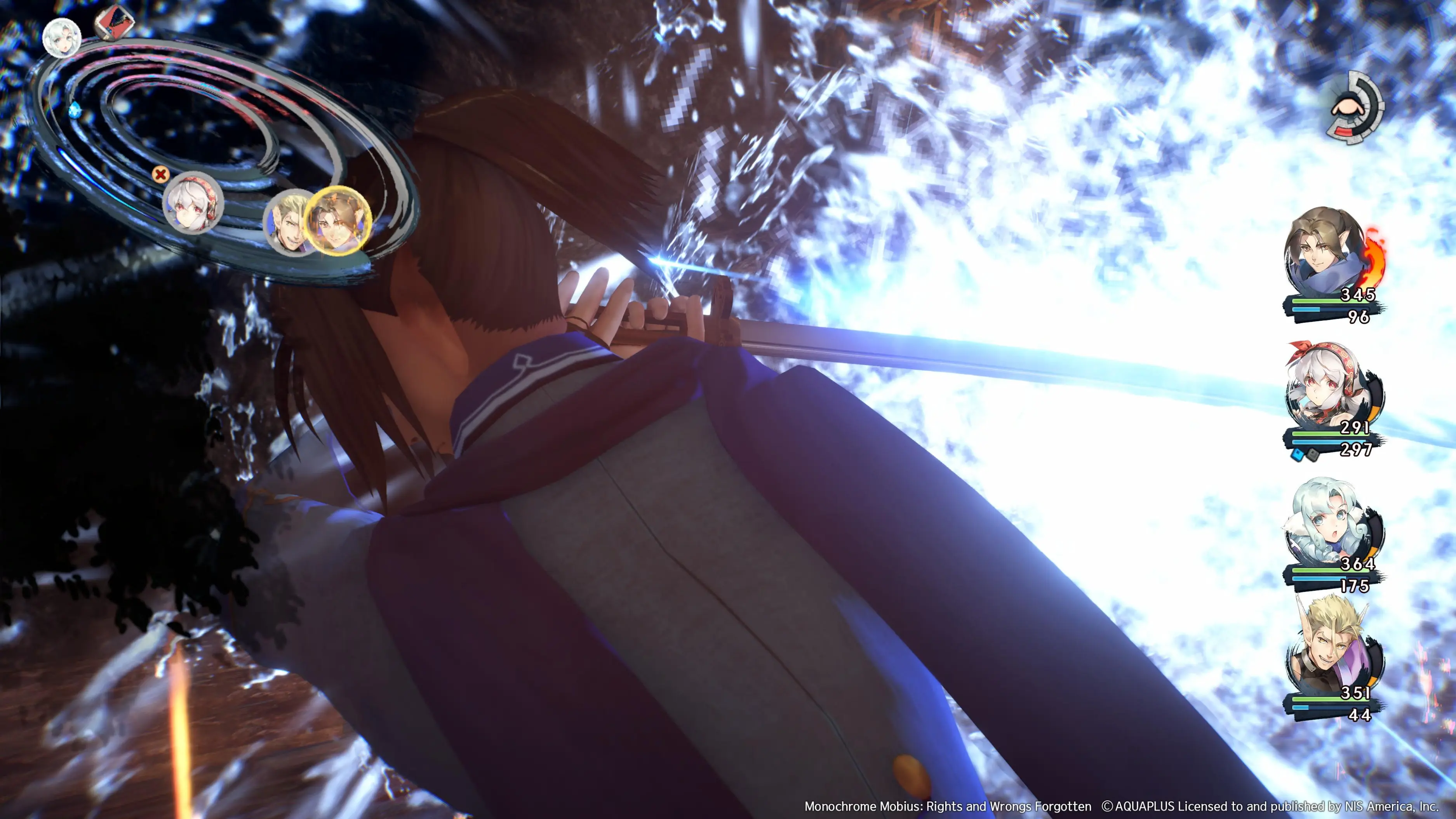
Combat is quite simplistic. At first you only have a couple of skills, so your combat roster is really simple. Considering the fact that the game is easy (only real challenge is around the middle), this segment soon falls into the "needs to improve" category. Even with all skills unlocked, and with a secondary robot ally (that is like a summon for a few turns), it stays simple. I enjoyed it at first, but the more I played, the more I realised how little there was to it, and around the middle of the game you've seen everything.
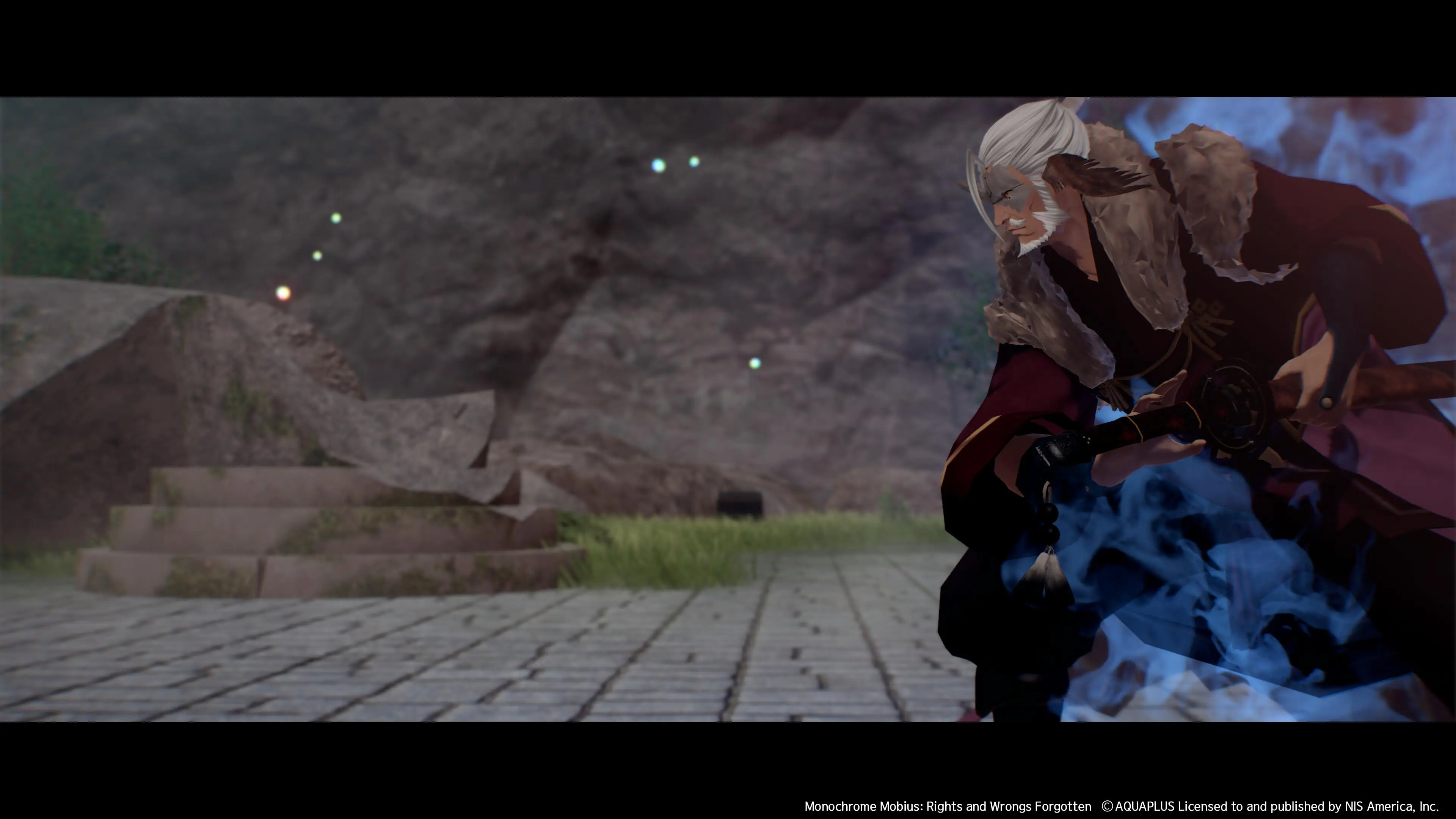
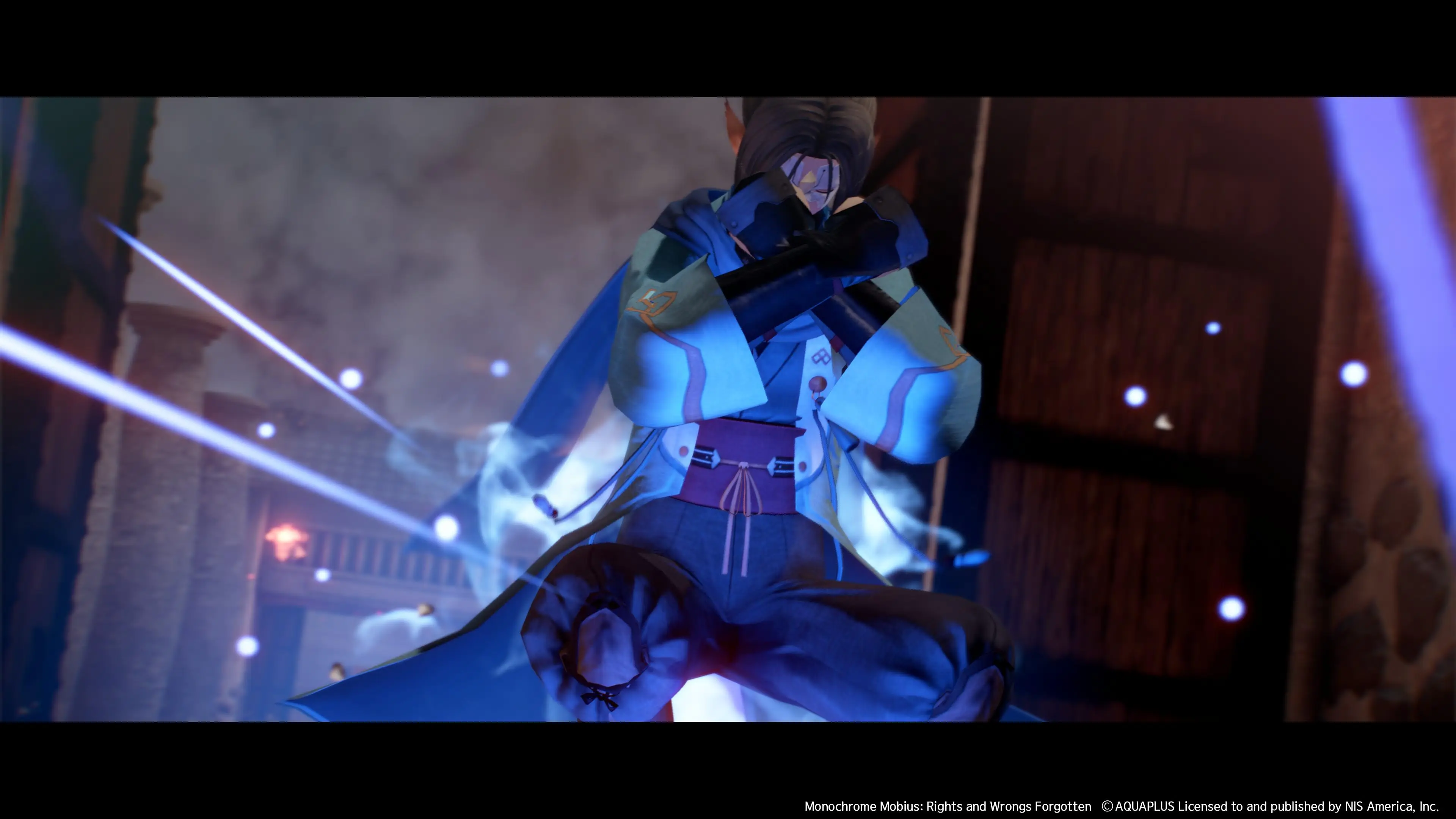
I was still enjoying the visual effects and the skills - you can even get ultimate attacks and transformations for some party members, so, you get to have your fun, but all of that falls a bit short if you ask me. It's a simple turn-based game, which will for sure work on its battle system in the next title (which is out in Japan already). Expect a decent system that will probably bore you at some time, but luckily enough you can insta-kill enemies by swinging your sword on the map if you're leveled enough. This soon replaces having to battle all the time, as it grinds 10 times faster that way.
Boss fights are the best thing, and probably visual presentation of weapons you can get in the game. I just love changing weapons and finding new ones when they change appearance.
Side Content
Side content is, as mentioned, awesome. Just be careful not to miss a quest and they mostly have a designated timeframe which, if you miss, you miss it and the only way to get it done is to replay the game. Too bad you can't do it in NG+ as there isn't any, so when I missed one, I was really sad.
The quests (30 of them) are great. They serve as a lore expansion, and usually are full of funny moments and conversations. I loved each one, and I want at least that in the next game.
The rest is about crafting and improving what you have at your disposal, typical RPG grinding (that would've made sense if the game is properly balanced).
And probably a minus would be a lack of QOL stuff - like better lists for basically everything you can find, upgrade and unlock.
Conclusion
Monochrome Mobius: Rights and Wrongs Forgotten is a simple but really enjoyable JRPG that surprised me more than I expected. The story, characters, visuals and soundtrack are the strongest parts, while the combat and balance are definitely where the game falls short. Still, I had a great time with it, and the way the side content expands the world and lore is something I really appreciated. Hopefully the next game improves on its weaker parts, because there is a really solid JRPG underneath it all.
Don't expect anything new or ground-breaking, but I don't need that all the time. I just need a good well-know turn-based JRPG to feel like home, and this one was that game.
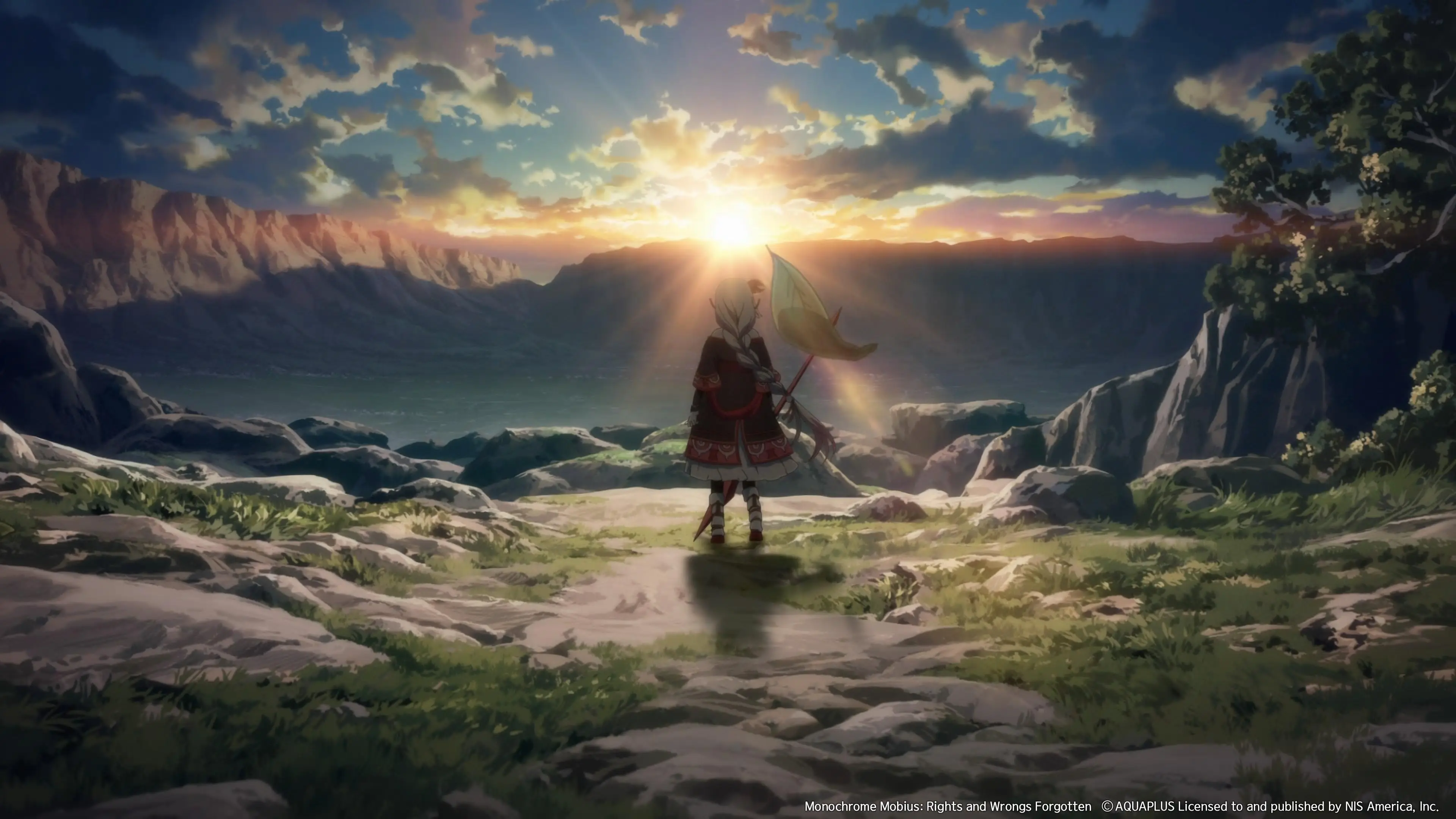
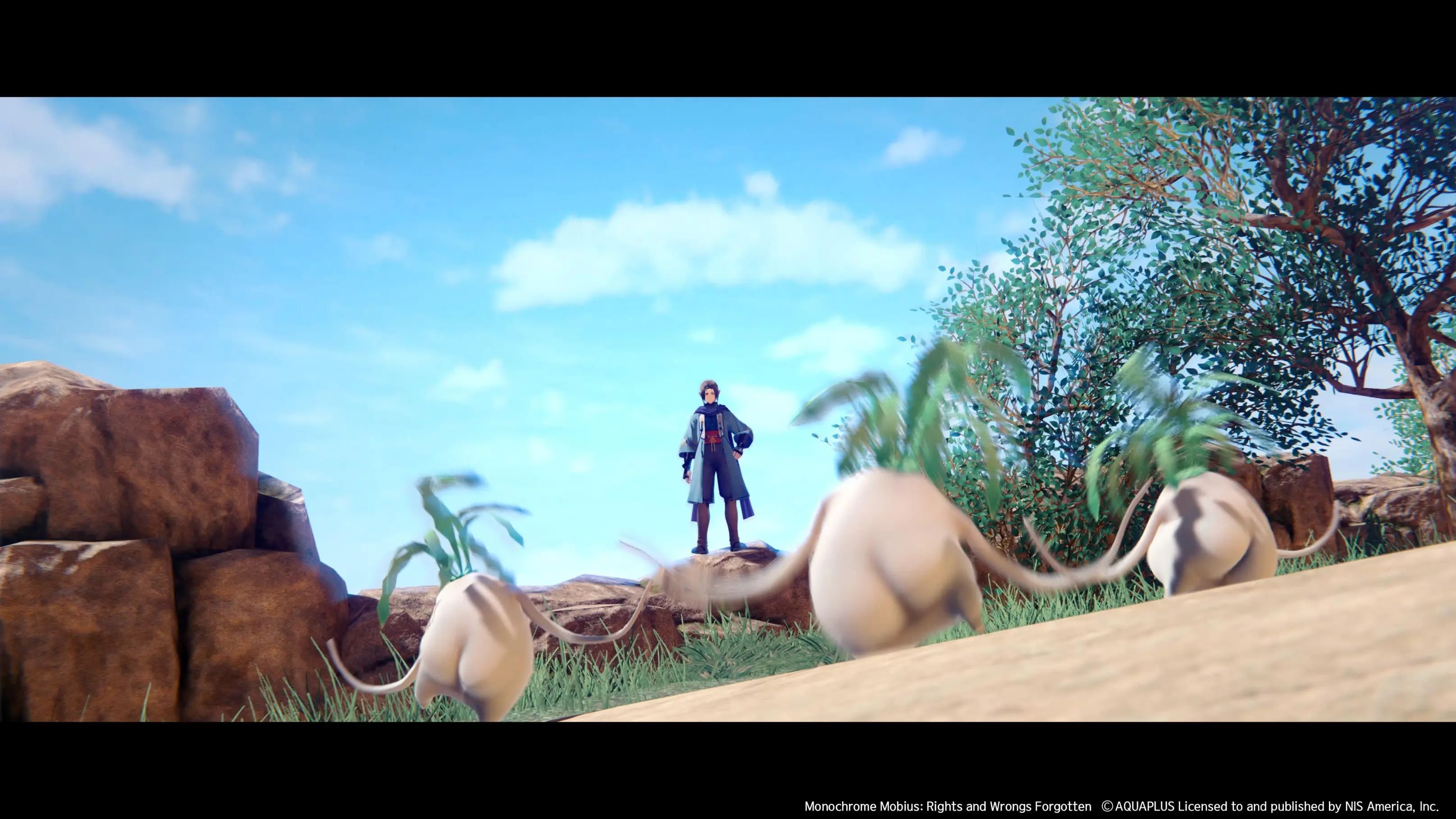
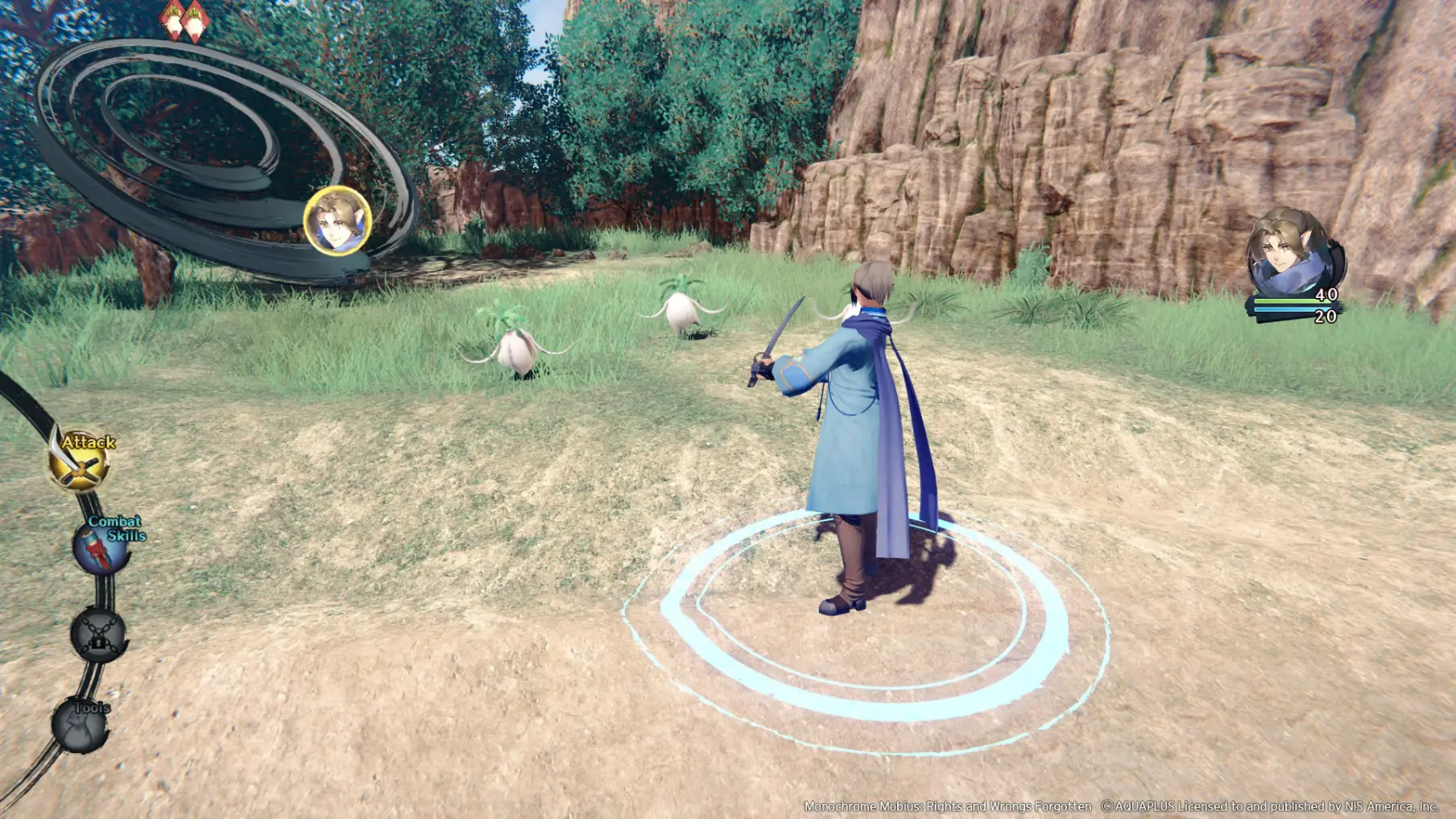
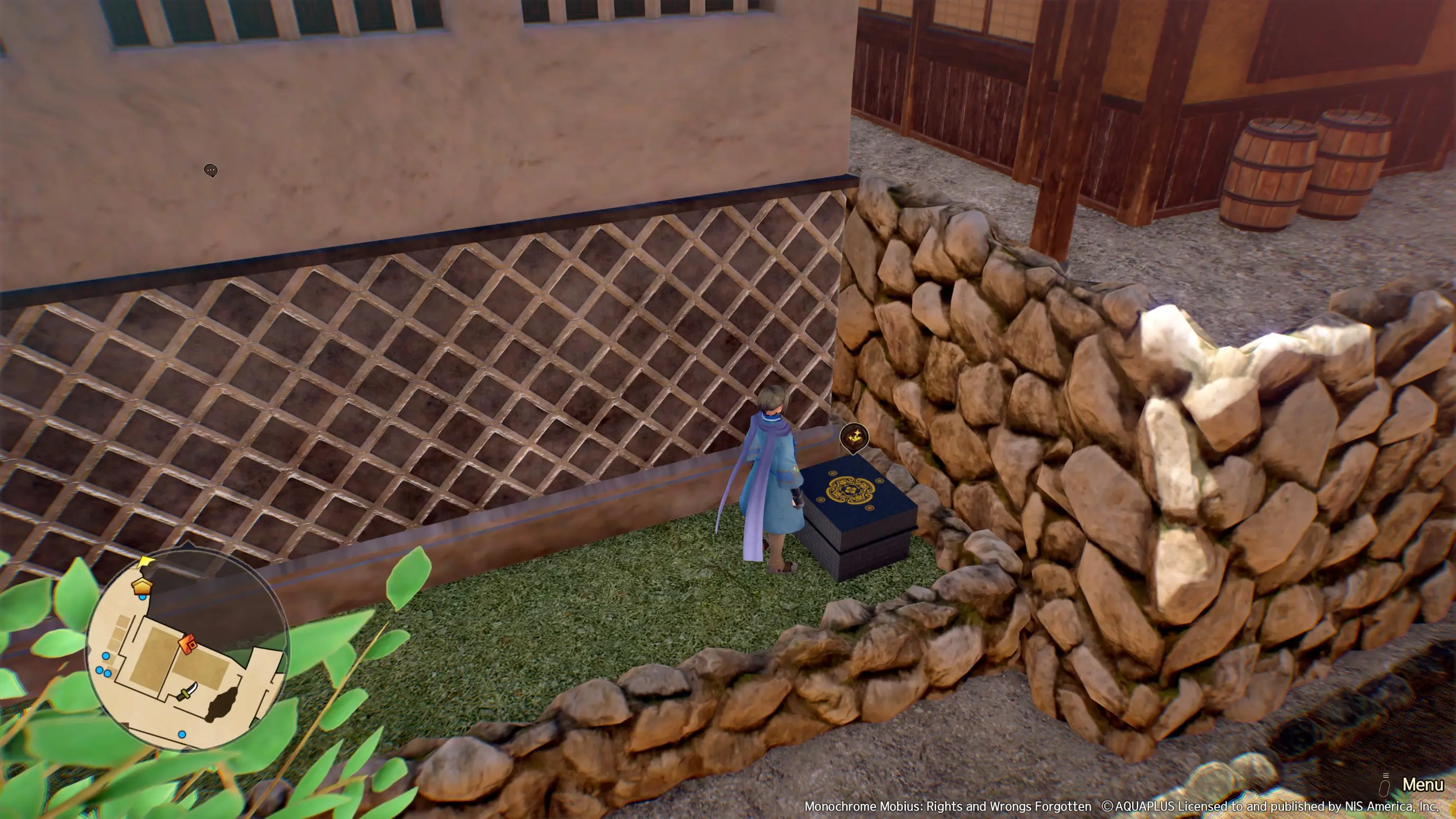
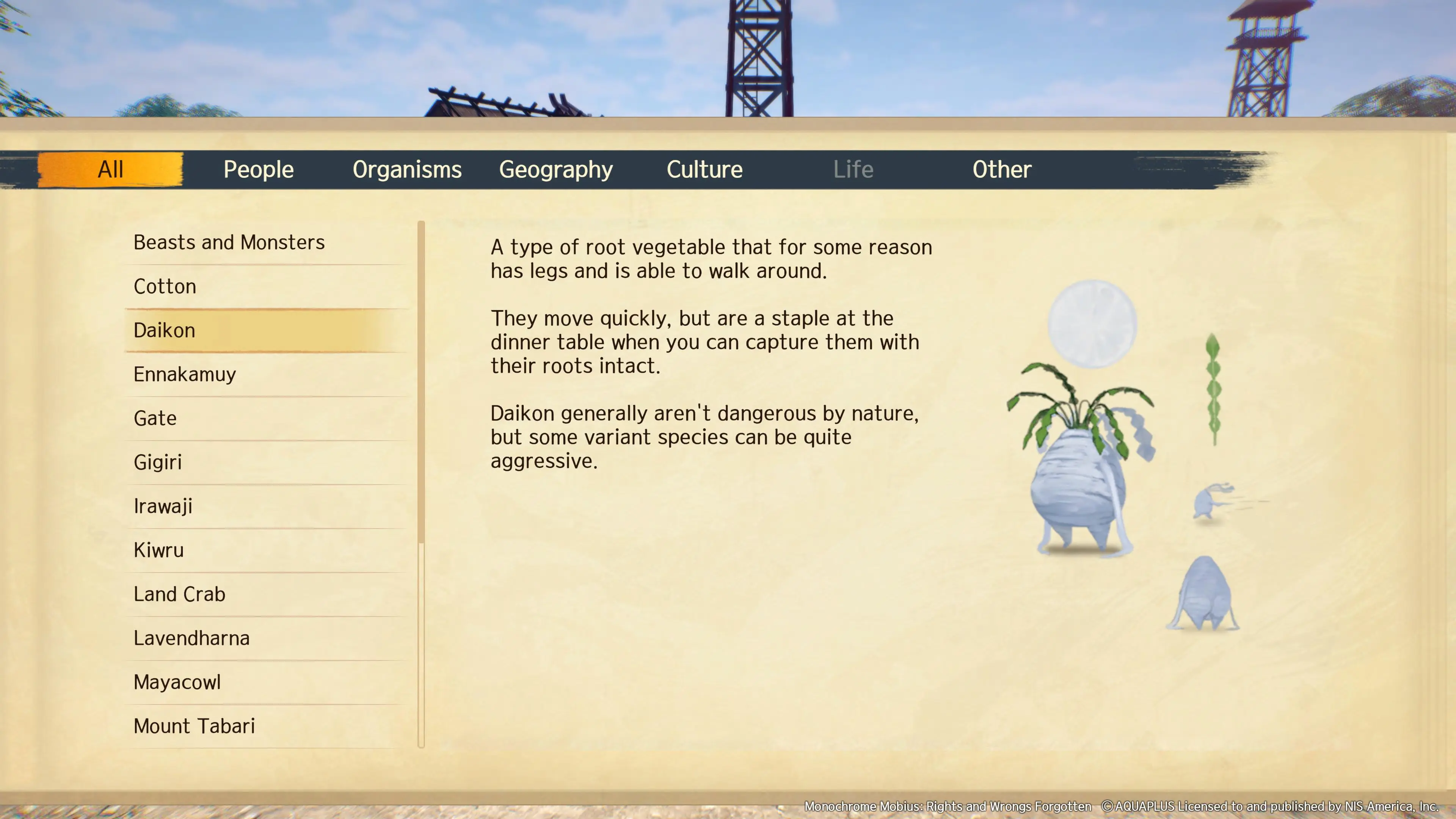
If you love anime estetics, Japanese humor and sometimes weird, cringe scenes, this one is at the peak
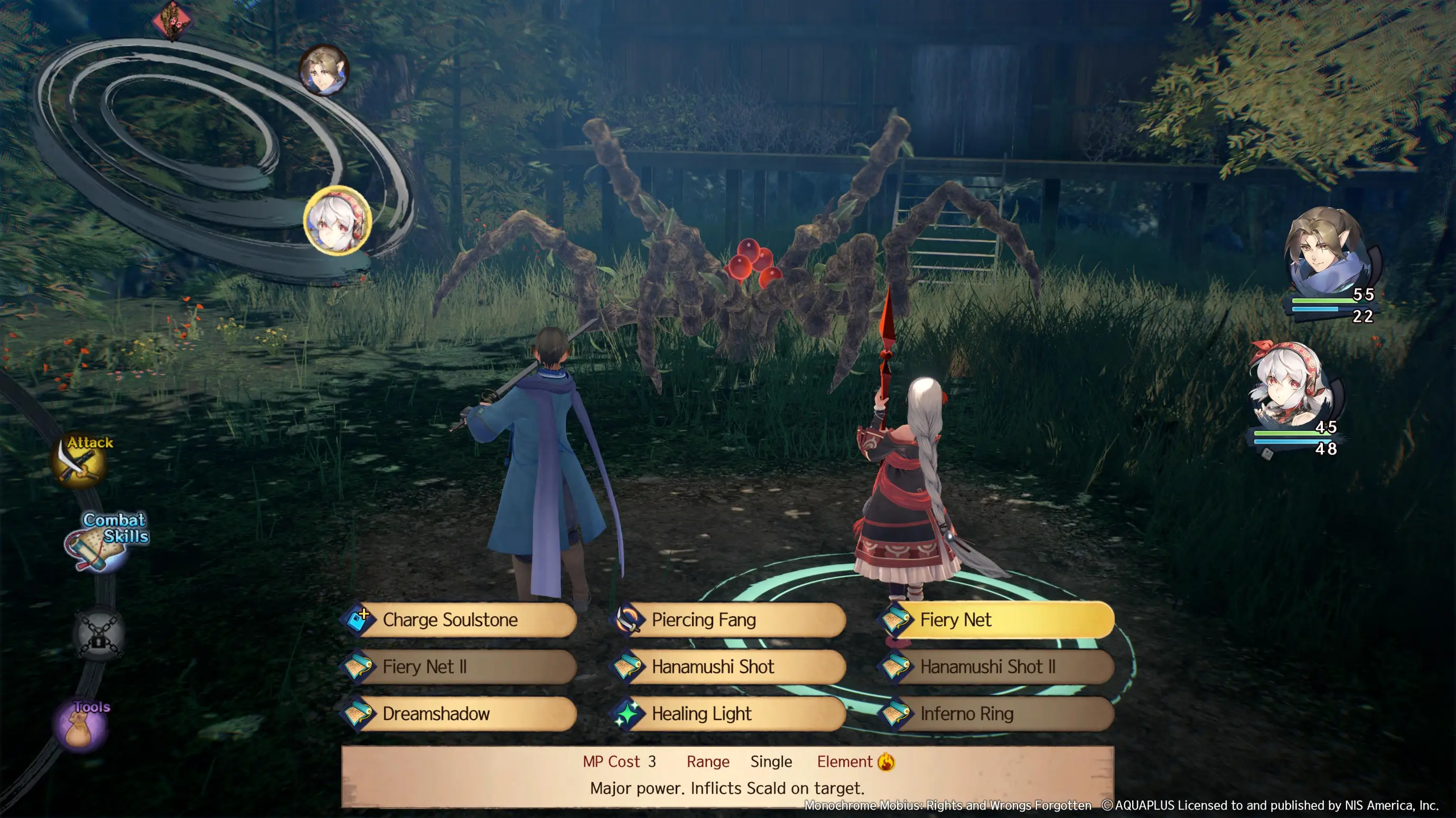
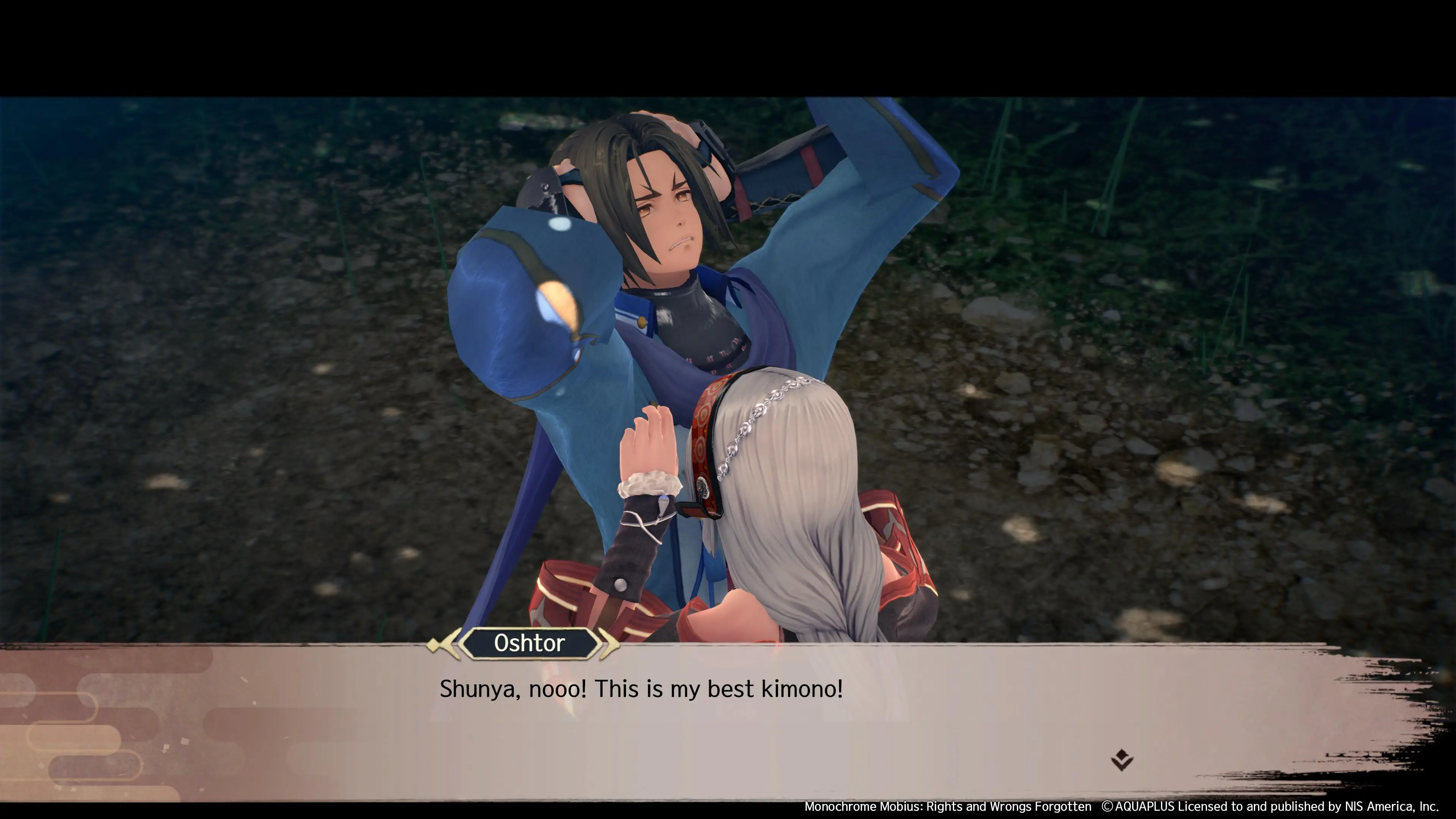
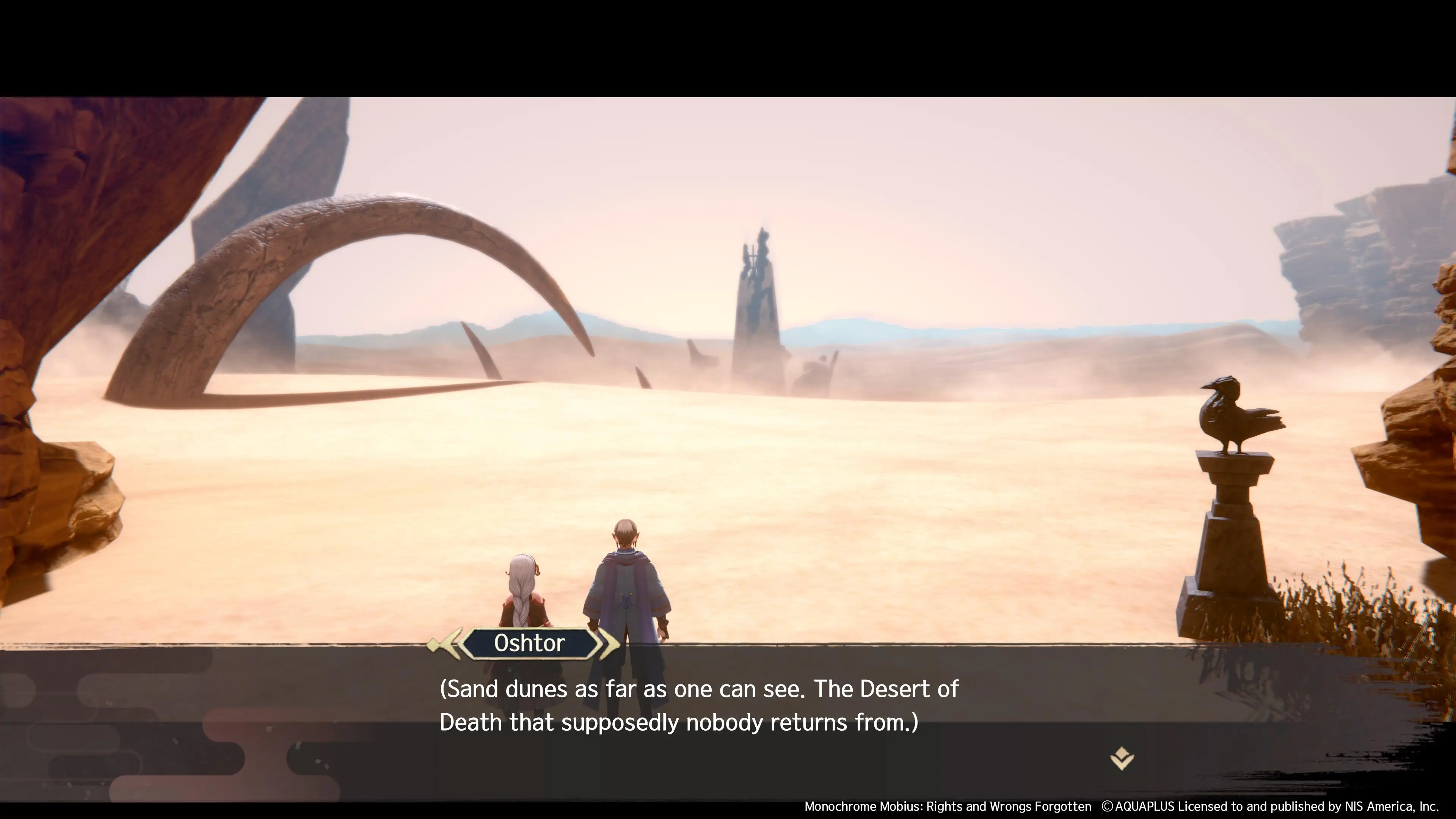
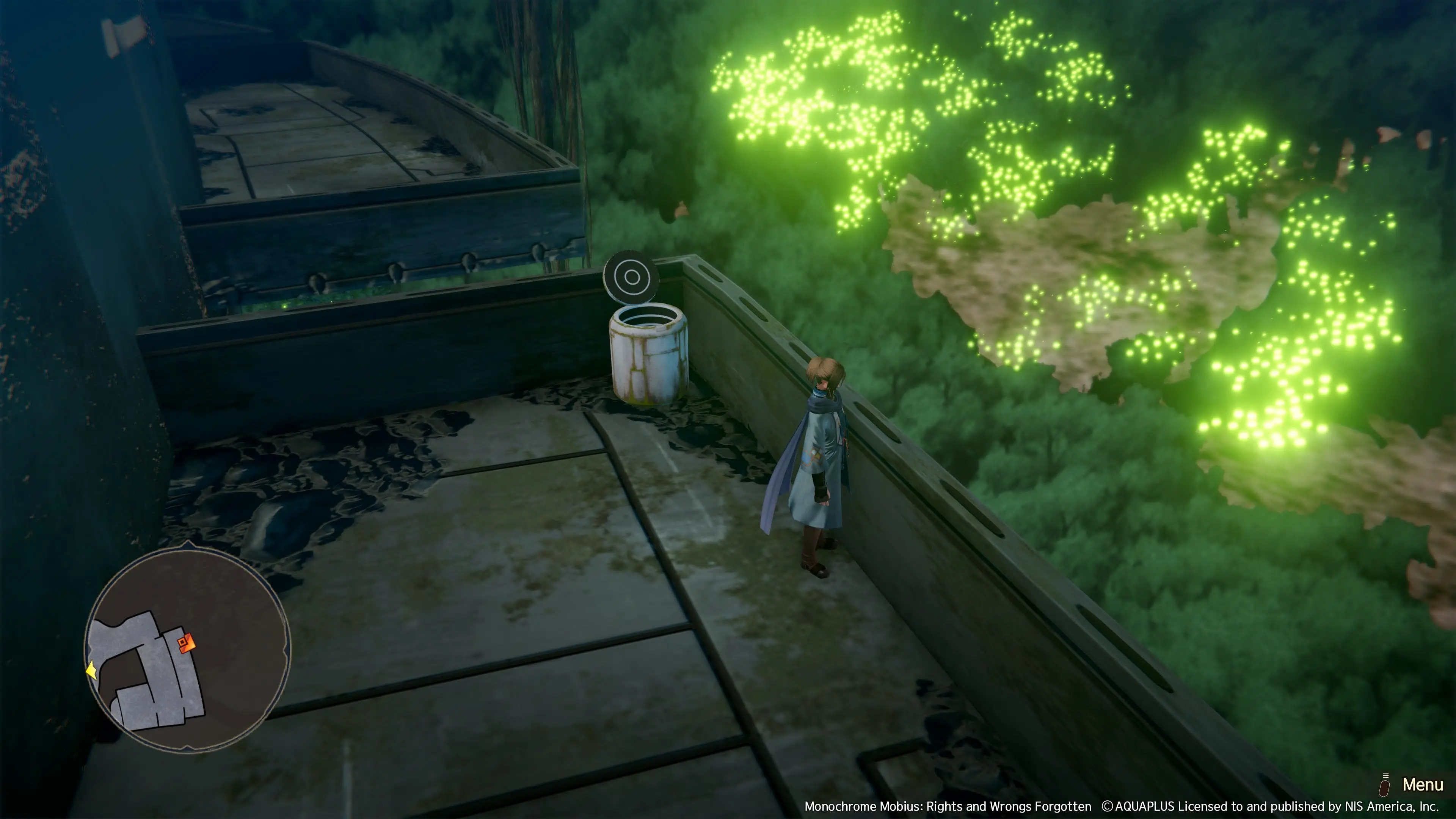
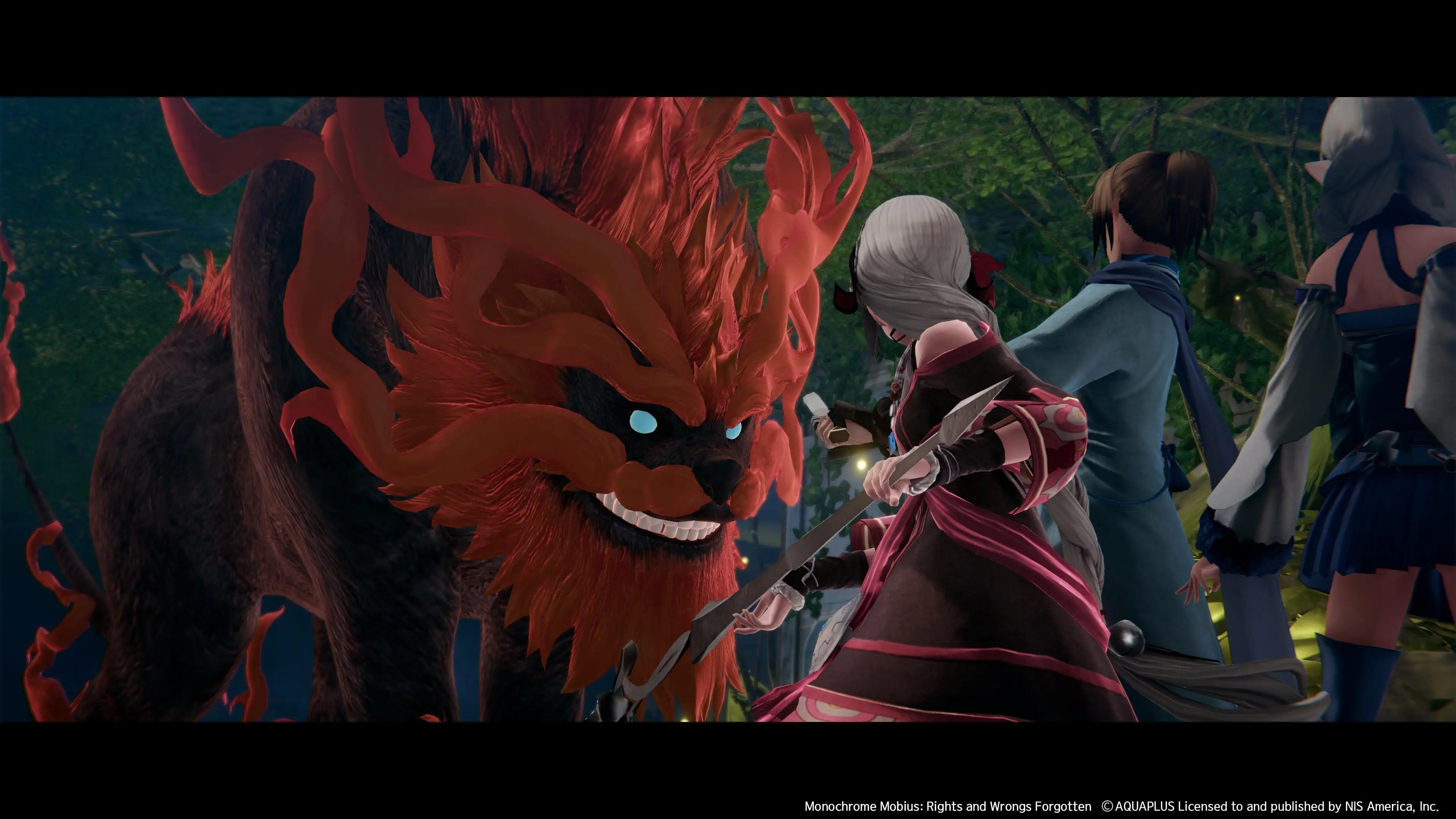
I was stunned by the visuals and the art of the game. It for sure digs up some roots from its visual novels era.
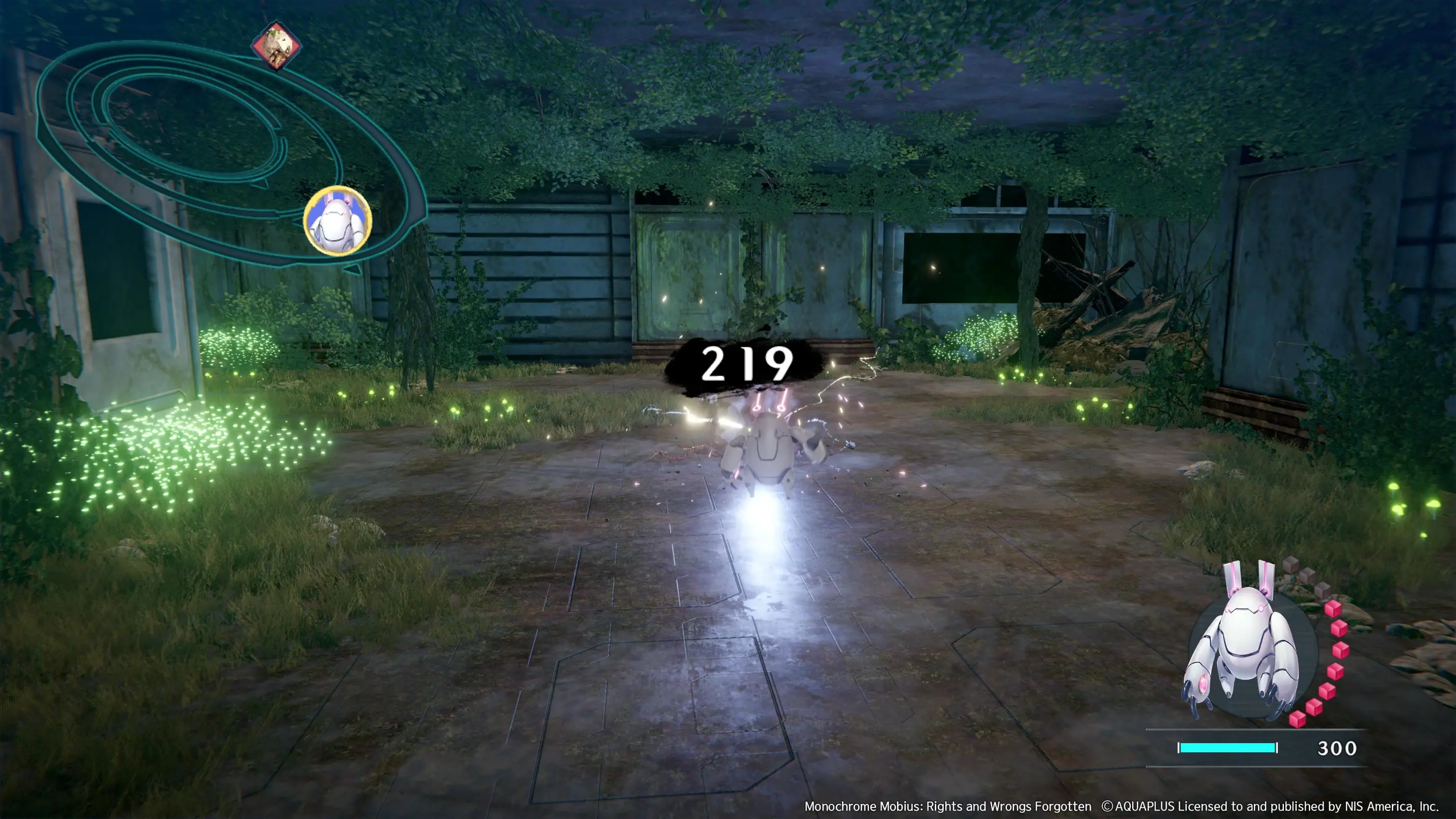
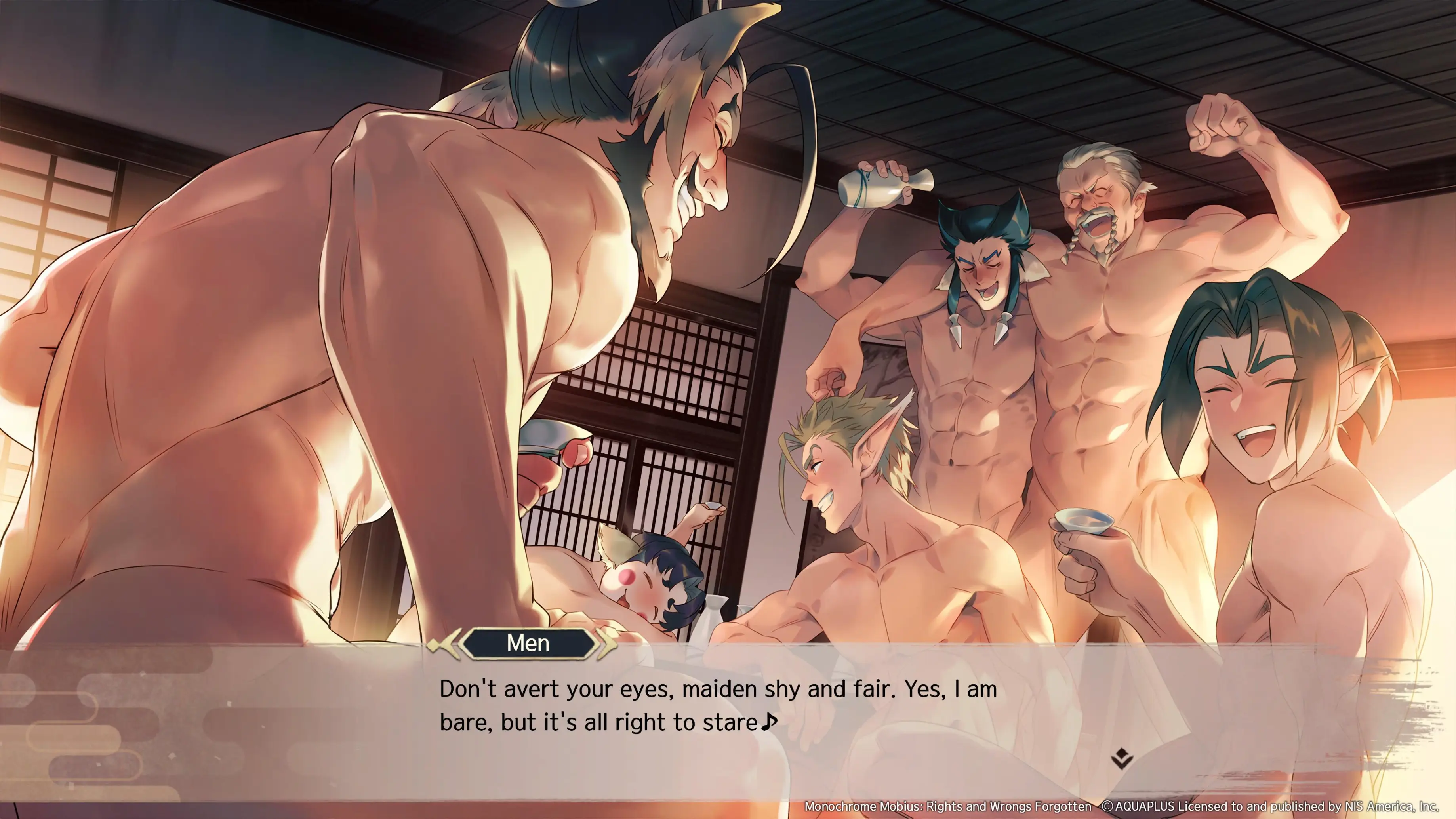
So, what can you say about the scene where couple of mans get drunk, enter the sauna and your younger sisters come to visit? Nothing happens, but the next scene where your friend want to calm the situation and the game features a "swing swing" voicing of his ding-dong... Man, that was some trip.
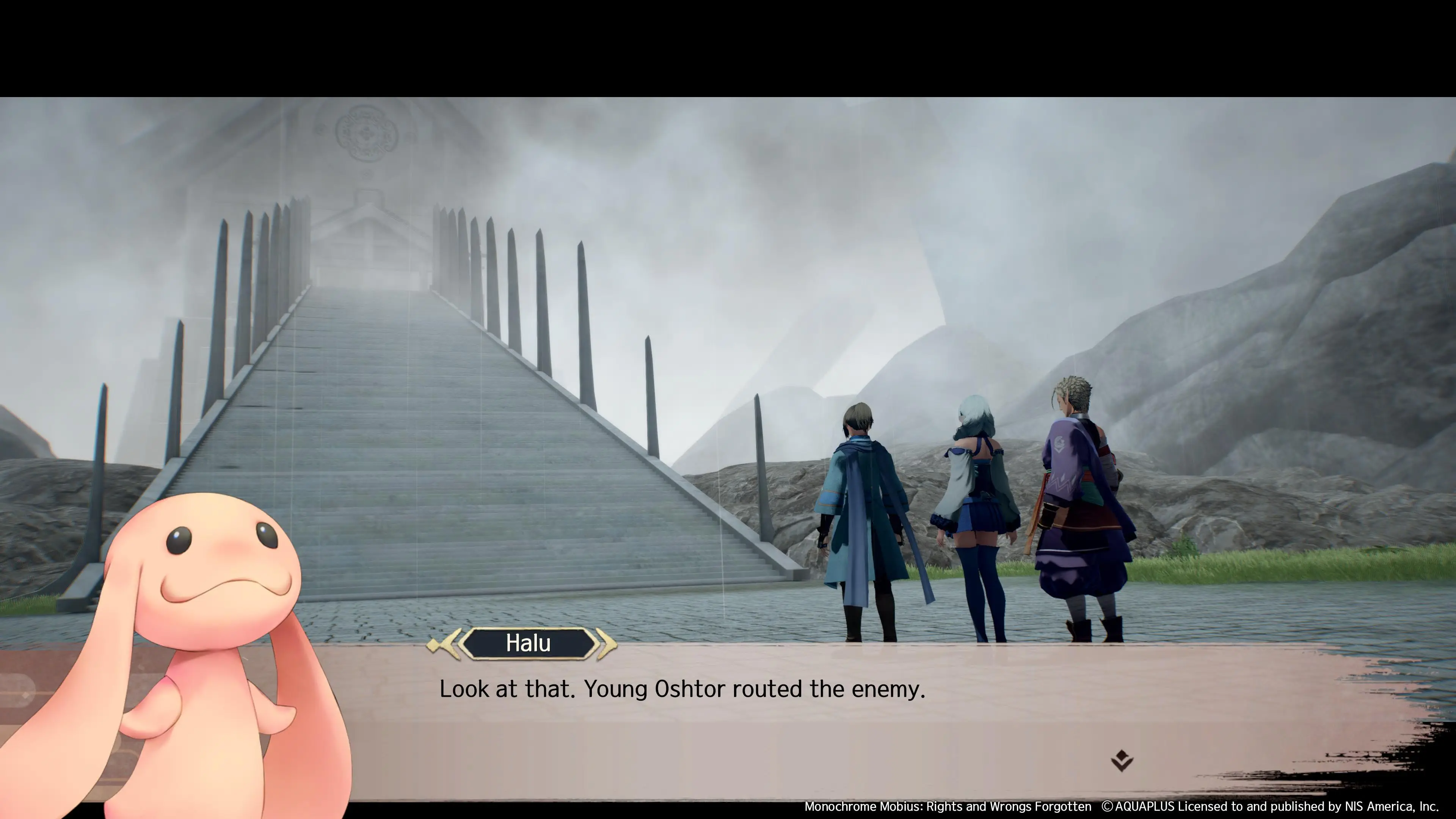
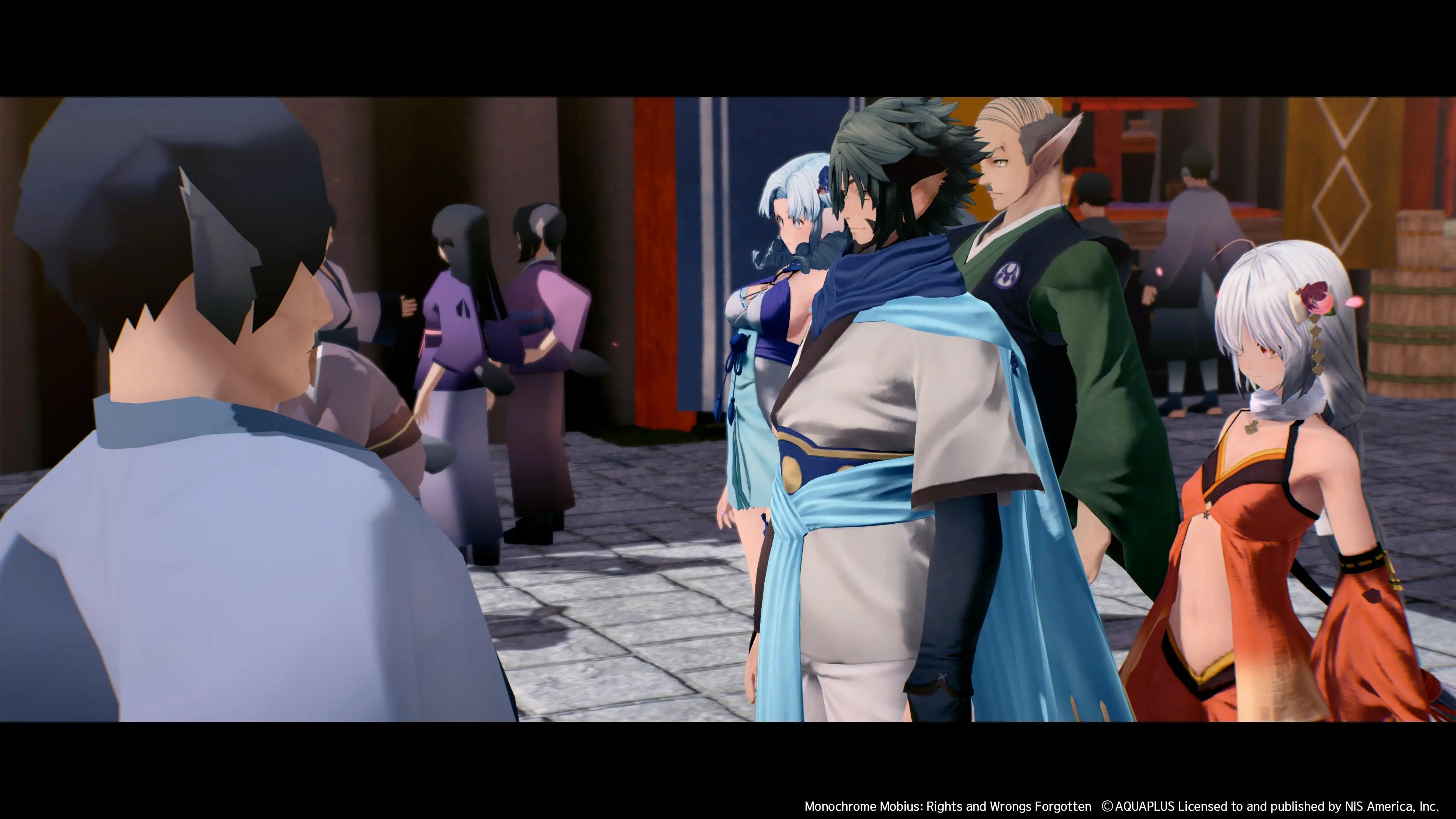
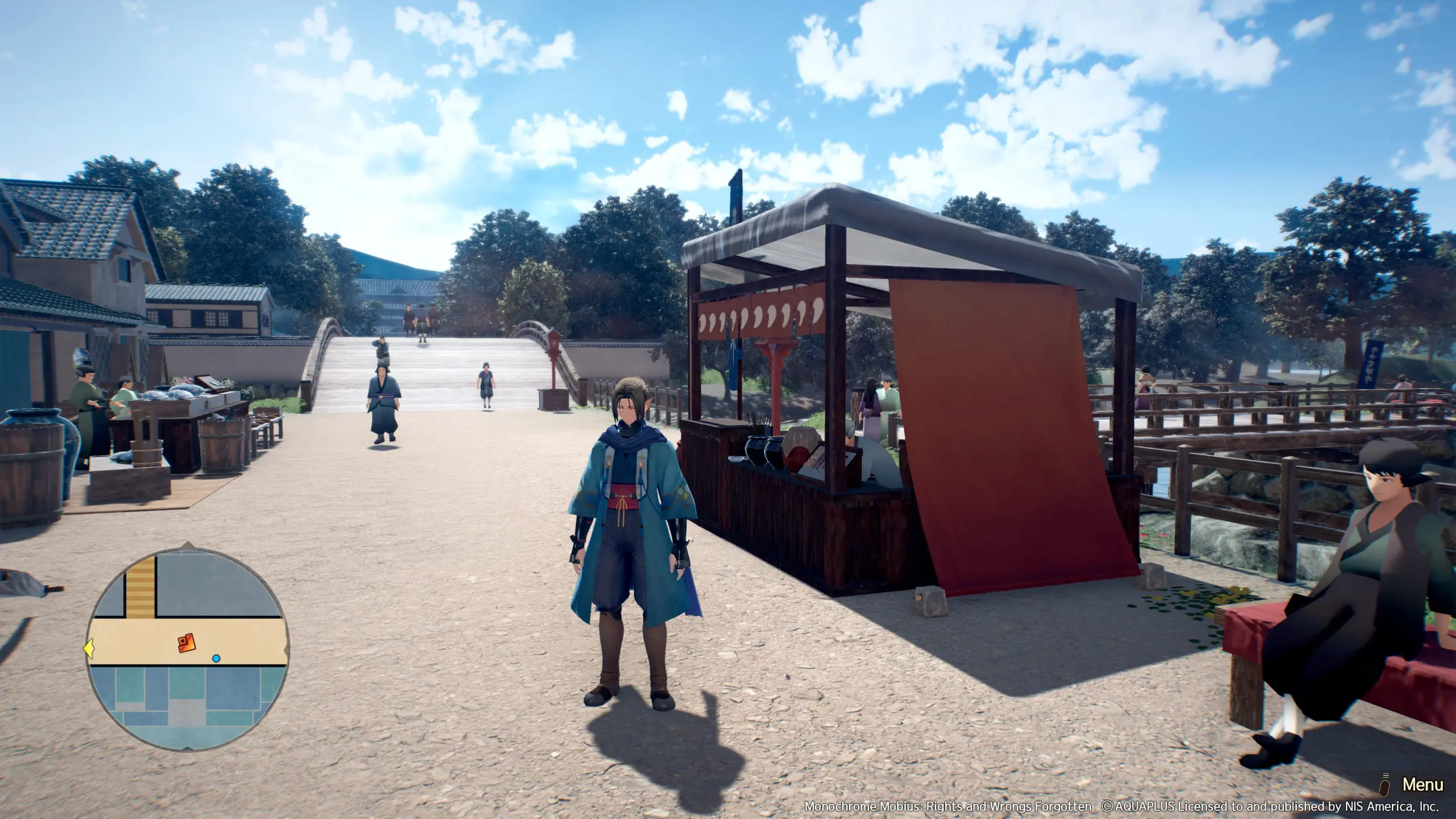
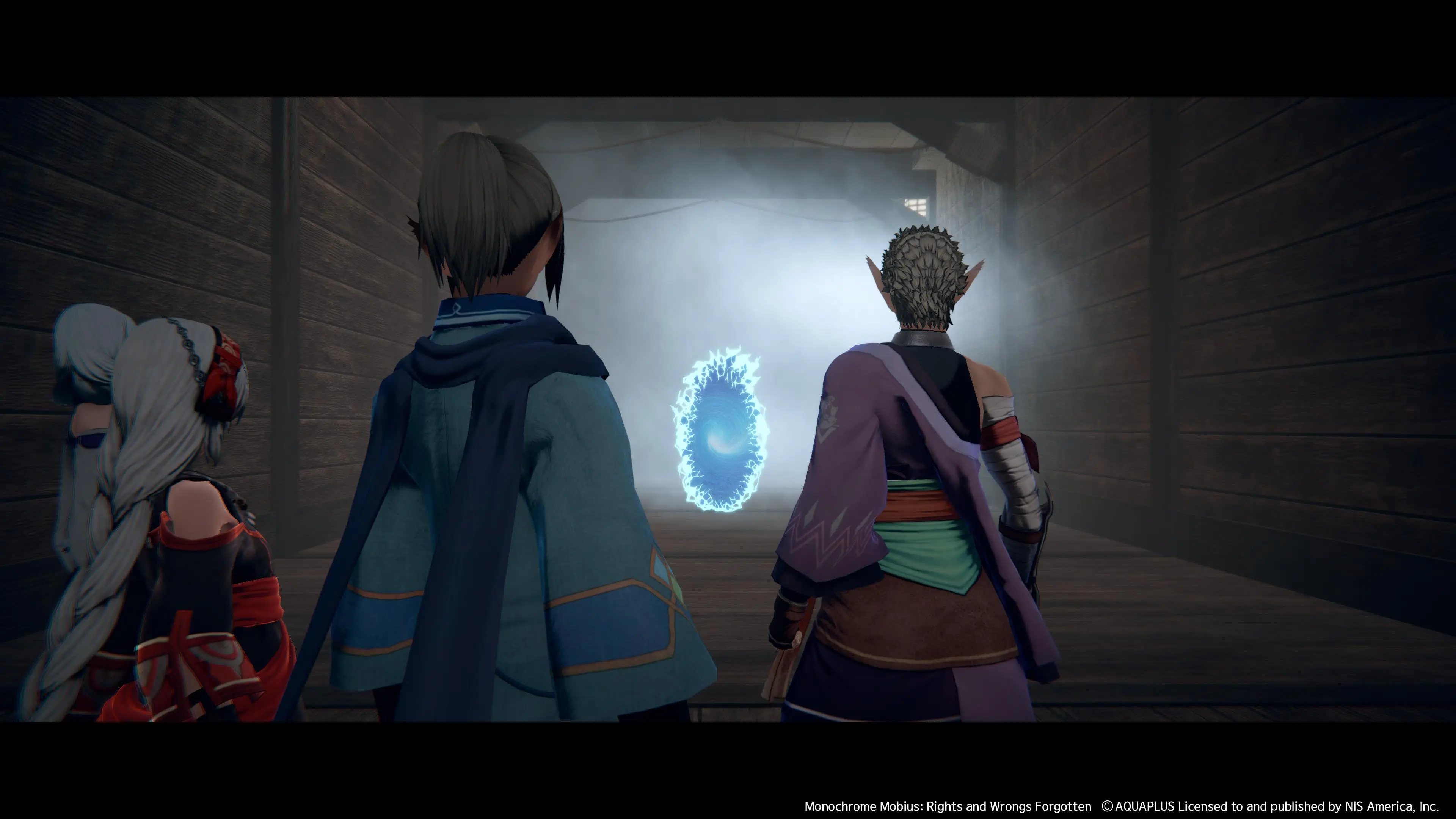
 Really awesome destinations, although towns could be a bit more, there is not much to explore apart from some chests and shops.
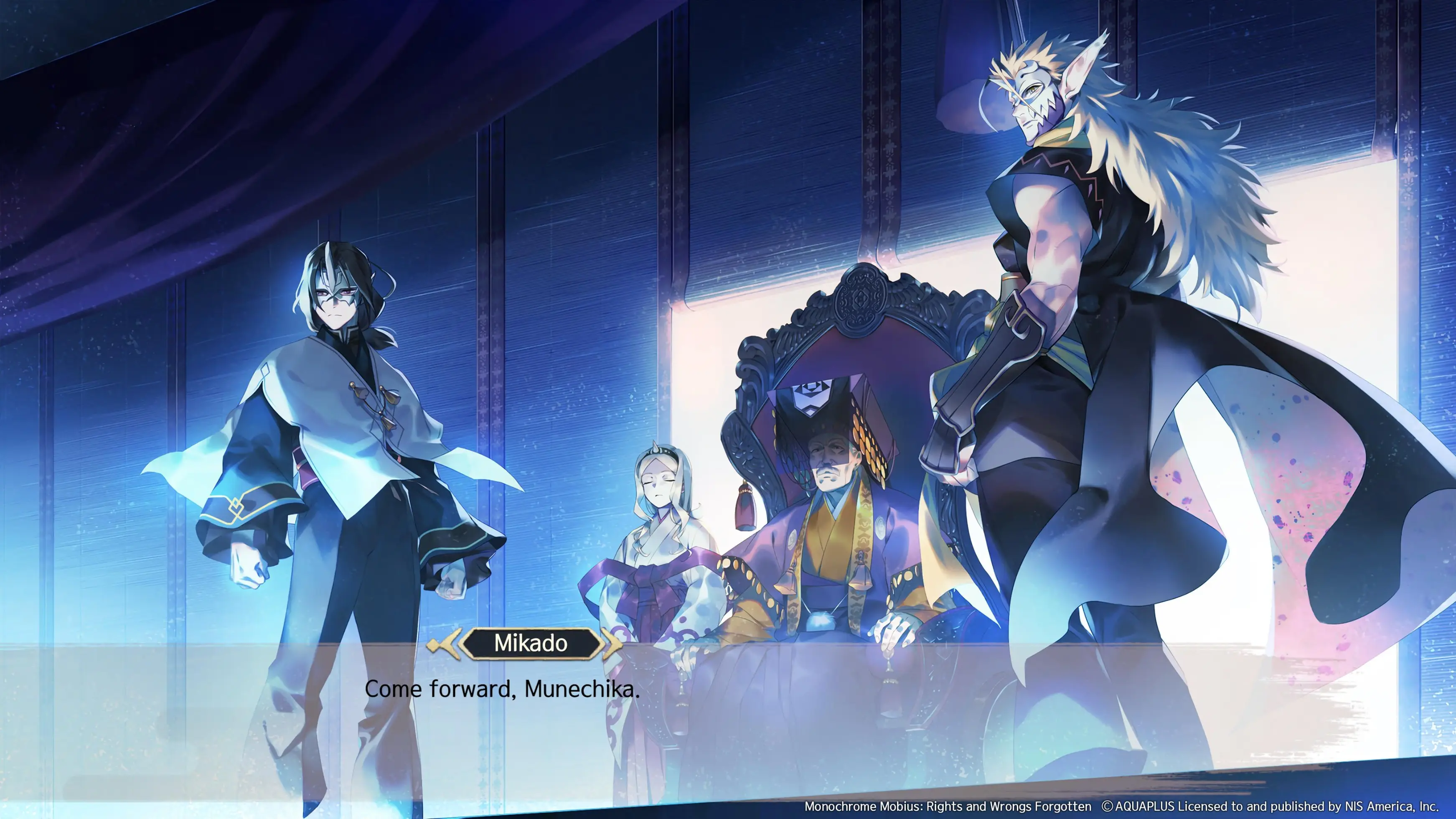
The ending really sets up the plot for the next game - hopefully it will improve on combat and difficulty, I think that is the main issue here.
"A flawed but genuinely enjoyable JRPG. Great characters, story, visuals and soundtrack carry it hard, while the combat and balance hold it back. If you love classic JRPGs, this is an easy recommendation — just don't expect perfection."
Game Guide
-
No Guide yet!
Latest Trophy Guides
Latest Reviews
Comments
No comments available!